
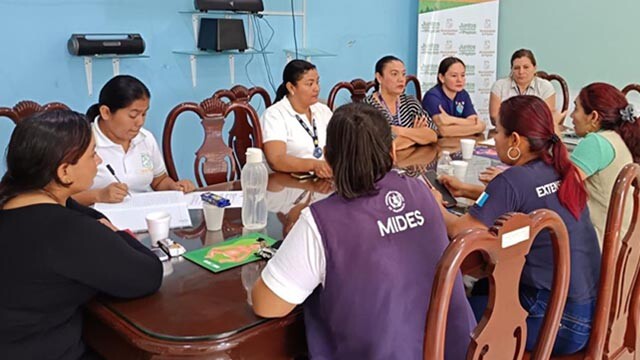
In Poptún, Global Humanitaria actively participated in the meeting of the Municipal Commission for Food and Nutritional Security (COMUSAN), along with other organizations that are part of the commission. The meeting focused on analyzing
chronic and acute child malnutrition and proposing joint actions to eradicate it.
Chronic malnutrition in Guatemala affects more than 46% of children and is linked to structural factors such as poverty, lack of access to nutritious food, drinking water, and sanitation services in their homes, directly impacting the physical growth and development of children, with
the most vulnerable population being children living in rural and indigenous areas .On the other hand, acute malnutrition also poses a threat to children, manifesting suddenly through severe weight loss. Therefore, it is crucial that all members of the Commission understand both aspects of malnutrition and
be able to identify cases within their communities and refer them immediately to the nearest health center. Poor water quality and the difficulty of maintaining adequate hygiene for cooking or providing regular bathing for young children are among the factors that have made Guatemala the country with the
sixth highest prevalence of chronic malnutrition in the world and the highest in the region. Global Humanitaria works continuously with indigenous communities in Petén to improve nutritional conditions, especially for children and women in rural areas, promoting sustainable actions and comprehensive projects such as greenhouses to improve vegetable production, support for school meals, and improvements to hygiene in homes.
Childhood and young women
On November 7, the
National Council for Food and Nutritional Securityapproved the
2025-2028 Plan to Combat Malnutrition, which incorporates the fight against malnutrition from five perspectives: the health system; the water, sanitation, and hygiene system; the social protection system; the agri-food system; and the nutrition system. These address all forms of malnutrition, including chronic malnutrition, acute malnutrition, micronutrient deficiencies, overweight, and obesity. Furthermore, it recognizes the need to act at every stage of the life cycle,
with a special emphasis on the most vulnerable groups, such as children and women of childbearing age.
Recent Comments